Is Morocco cheap or expensive to visit?
Morocco is cheap for food, local transport and most sights, and it can be expensive for comfort and convenience. A tagine in a simple café, a train ticket between two cities and the entry to a palace together cost less than one restaurant meal in much of Western Europe or North America. A night in a well-reviewed riad in the Marrakech medina in April, a private car for a week or a luxury desert camp can cost as much as you would pay at home.
So the honest answer depends on how you travel. If you eat where locals eat, take trains and buses and stay in simple guesthouses, Morocco is one of the better-value trips within a short flight of Europe. If you want boutique riads, a private driver and a camp with its own bathroom in the Sahara, budget the way you would for a comfortable trip anywhere.
What do everyday things cost in Morocco?
Everyday prices are low, especially away from the main tourist squares. The figures below are typical ranges we have seen and checked against current price surveys in October 2026. Prices in tourist areas of Marrakech and Fes sit at the top of each range, and prices in small towns sit at the bottom.
| Item | Typical price (MAD) | Notes |
|---|---|---|
| Street food snack (msemen, harira, a sandwich) | 5 to 30 | Cheapest at market stalls and small bakeries |
| Simple meal in a local café (tagine or couscous) | 35 to 80 | A main dish, bread and sometimes a salad |
| Sit-down meal in a tourist restaurant or riad | 100 to 250 per person | More in upmarket restaurants and hotel dining rooms |
| Coffee | 10 to 25 | Local cafés at the low end, smart terraces at the high end |
| Mint tea | 10 to 25 | Rooftop cafés above main squares charge the most |
| Bottled water, 1.5 litres, from a shop | 5 to 8 | Several times more from a hotel minibar or tourist kiosk |
| Petit taxi, short ride within a city | 10 to 30 | Ask for the meter. Fares rise at night |
| Monument entry | 30 to 100 | Bahia Palace and El Badi Palace in Marrakech charge foreign adults 100 |
| Public hammam (entry only) | 10 to 40 | A scrub from an attendant adds about 50 to 150 |
| Tourist or riad hammam package | 250 to 600 | Spa hammams in large hotels cost more |
| Train, Marrakech to Casablanca, second class | about 90 to 150 | Fares change. Marrakech to Fes takes most of a day and costs more |
Sources: Numbeo price data for Marrakech (updated October 2026) and published 2026 entry fees. Check prices locally, as they change and tourist areas charge more.
Two things help everyday prices stay low. Most small purchases are paid in cash in dirhams, and prices at local cafés and stalls are set for Moroccan customers. The dirham is a closed currency, so you get it after you land, from ATMs or exchange offices.
How much money do I need for Morocco per day?
Plan on roughly 400 to 700 dirhams a day per person on a tight budget, 900 to 1,800 for a mid-range trip and from about 2,500 for a comfortable one. These are our rough planning ranges, not quotes. They exclude international flights and assume two people share a room. Solo travellers pay more per person for rooms and private transport.
| Travel style | Where you sleep | How you eat and move | Rough daily spend (MAD) |
|---|---|---|---|
| Budget | Hostel dorm or a simple guesthouse room | Street food and local cafés, buses, trains in second class, one or two sights | 400 to 700 |
| Mid-range | A comfortable riad or hotel with breakfast | Mix of local cafés and sit-down restaurants, taxis, trains, paid sights and a hammam now and then | 900 to 1,800 |
| Comfort | A boutique riad or upmarket hotel, a private tent at a desert camp | Restaurants most nights, private driver or tour, guided city days | from about 2,500 |
The exchange rate between the dirham and your home currency changes daily. Check a live rate before you set your budget, and expect banks, ATMs and exchange offices to add a margin.
The budget level is achievable but not luxurious. In peak months a budget room in a central medina can sell out, and long journeys by bus take time. Most first-time visitors on a one or two week trip land somewhere in the mid-range band.
What costs more than people expect?
The surprises are rarely in the cafés. They come from a handful of items that are priced for visitors.
- Riads in peak season. Spring, autumn and the Christmas and New Year weeks are the busiest times. The well-placed riads in Marrakech and Fes fill early, and late bookers pay more for what is left. See the best time to visit Morocco.
- Private transport. Distances are long. Marrakech to the Merzouga dunes is a two-day drive with stops. A private car and driver costs far more than a bus seat, because you pay for the vehicle and the driver's time whether one person travels or six.
- Desert camps. A basic camp with shared bathrooms and a luxury camp with a private tent, bathroom and better food are very different products at very different prices. See our guide to a luxury desert camp in Merzouga.
- Tips. Tipping is customary for drivers, guides, camp staff and riad staff. Over a week it adds up to a real sum. Our tipping in Morocco guide gives typical amounts.
- Shopping and haggling. Prices for rugs, leather and ceramics in the souks are opening offers. If you buy on the first price you will often pay well over what a local would. Agree a figure you are happy with before you start.
- Tourist-only pricing. Rooftop cafés above famous sights, unofficial guides and taxis without a meter all charge more. None of it is large on its own, but it adds up.
How can I save money in Morocco?
The simplest savings come from timing, transport and where you eat. None of them require you to travel uncomfortably.
- Travel outside the busiest weeks. Late winter, outside the December holidays, and early summer usually bring lower room rates. Summer is very hot inland, so weigh that against the saving.
- Book riads early for spring and autumn. Three to six months ahead gives you the widest choice at each price level.
- Use trains between the main cities. The rail line links Marrakech, Casablanca, Rabat, Meknes, Fes and Tangier, and second class is inexpensive.
- Eat lunch where locals eat. A set lunch or tagine in a local café costs a fraction of a terrace restaurant meal.
- Carry small notes and coins. 20 and 50 dirham notes make taxis, tips and market purchases easier, and you avoid overpaying because nobody has change.
- Ask for the meter in petit taxis. If a driver will not use it, agree the fare before you get in.
- Travel as a group for private trips. The vehicle and driver are shared costs, so four people pay much less each than two.
- Pay in dirhams on cards. If a card machine offers to charge you in your home currency, choose dirhams. The conversion the shop offers is usually worse than your bank's.
How does a private tour compare on cost?
A private tour costs more than travelling independently on a budget, and it can compare well with a mid-range or comfort trip once transport, rooms and dinners are added up. Our tours are private, so you have your own air-conditioned vehicle and an English- or Spanish-speaking driver for the whole trip. Prices are per person and apply all year.
| Tour length | Price per person | Typical route |
|---|---|---|
| 3 days | €500 to €800 | Marrakech to the Merzouga dunes and back |
| 4 days | €600 to €900 | Fes to Marrakech through the desert |
| 5 days | €700 to €1,000 | Marrakech to Merzouga at a slower pace |
| 7 days | €1,700 to €3,800 | A week from Marrakech with a guided city day |
| 10 days | €2,900 to €5,500 | Imperial cities, desert and Marrakech |
| 14 days | €3,700 to €6,700 | The full country, with Essaouira |
The lower figure applies to larger groups in standard accommodation and the higher one to solo travellers or luxury hotels and camps. See every length on Morocco tour cost.
The price includes the vehicle and driver, accommodation, breakfasts, a camel ride on desert tours, and dinners (every dinner on 3 to 5 day tours, some on longer ones). Lunches, drinks, entrance fees, tips and flights are extra, so add the everyday costs from the first table for those.
If cost is the main concern, a shared minibus tour to the desert is the cheapest organised option. Shared 3-day tours from Marrakech to Merzouga sell on booking marketplaces from roughly $95 to $180 per person, with a fixed schedule and strangers in the vehicle. Our page on private vs group tours sets out the trade-offs honestly.
Is Morocco cheaper than Europe?
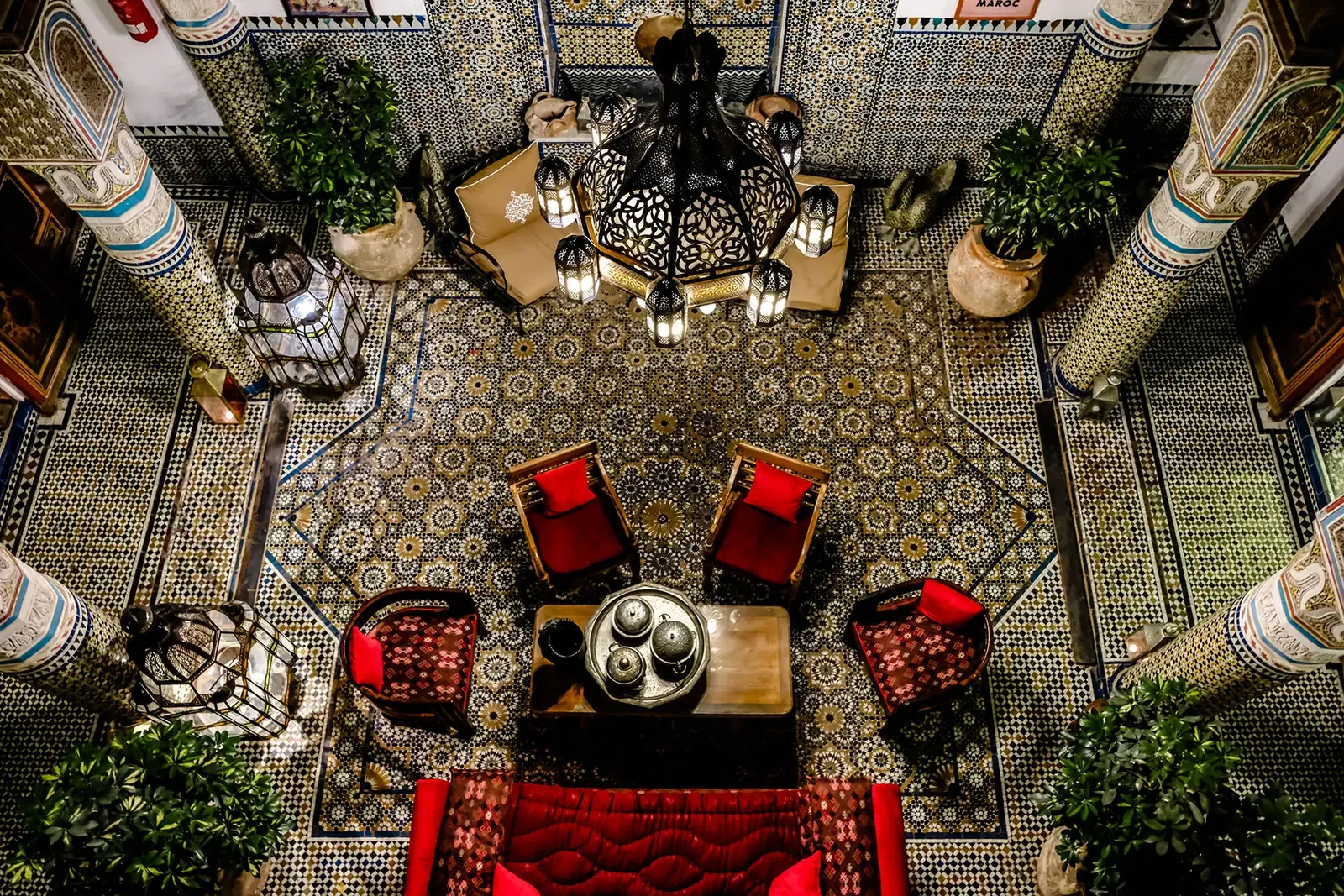
For everyday spending, yes: meals, local transport and sights cost much less than in Spain, France or Italy. For rooms at the top end, private transport and peak-season stays the gap narrows, and a luxury riad in Marrakech can cost what a good hotel does in a European capital. Morocco is cheaper overall for most travellers, but only clearly cheap if you keep the large items under control.
Questions people ask
How much money do I need for a week in Morocco?
Excluding flights, plan on roughly 3,000 to 5,000 dirhams per person for a budget week and 6,500 to 12,500 for a mid-range week, sharing a room. A private tour is priced separately: our 7-day tours cost €1,700 to €3,800 per person.
Is Morocco cheap for food?
Yes. A simple meal in a local café costs about 35 to 80 dirhams, and street snacks cost 5 to 30. Restaurants aimed at visitors charge roughly 100 to 250 dirhams per person.
Is Marrakech more expensive than the rest of Morocco?
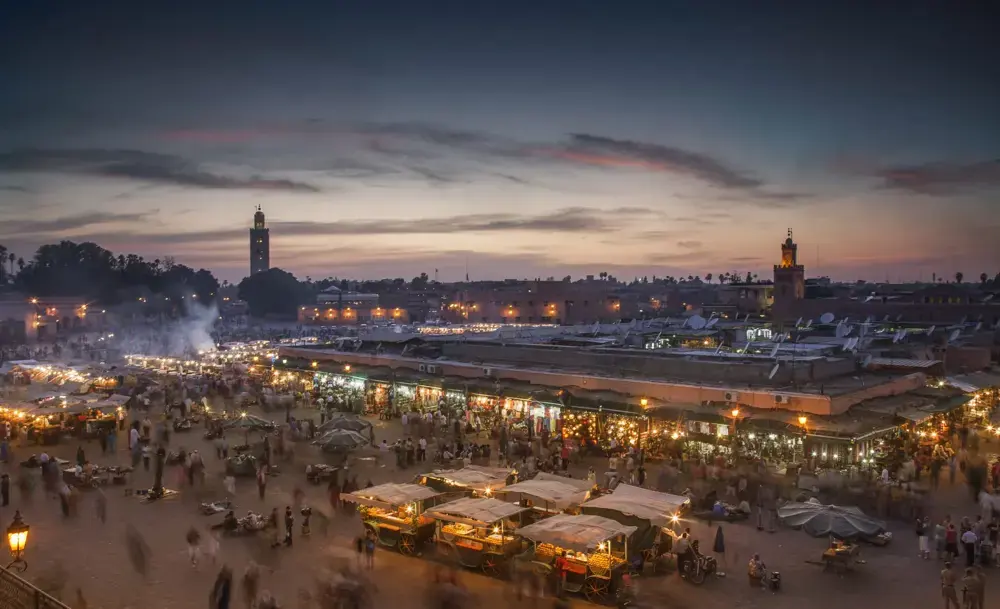
Marrakech is one of the most expensive places in Morocco for visitors, especially around Jemaa el-Fna and in medina riads. Small towns and the road between the cities are cheaper for food and rooms.
Should I bring cash or use cards in Morocco?
Bring a card and use ATMs after you land, because you cannot easily buy dirhams abroad. Cards work in hotels and larger restaurants, while taxis, cafés, souks and tips need cash.
Can I pay in euros or dollars in Morocco?
Some hotels, tour operators and tourist shops accept euros, but day-to-day spending is in dirhams. Paying in foreign currency at small shops usually means a poor rate.
Is a private tour in Morocco worth the cost?
It suits travellers who want to cover long distances without planning, driving or waiting for buses. If your budget is tight, trains and a shared desert tour cost far less.
What is the cheapest month to visit Morocco?
Rooms are usually cheapest in late winter outside the December holidays and in the hot summer months inland. Spring, autumn and New Year are the busiest and dearest times.