What do governments say about travel to Morocco?
Neither the United States nor the United Kingdom advises against travel to the parts of Morocco that visitors normally go to, and both ask travellers to take care. We checked both sources on 6 October 2026. Advice changes, sometimes overnight, so read the current version for your own country before you book and again before you fly.
| Source | Position | Date | Main points |
|---|---|---|---|
| US State Department | Level 2: Exercise Increased Caution | Issued 21 April 2025 | The reason given is terrorism. The advisory says attacks may come with little or no warning and may target tourist locations, transport hubs, markets, shopping malls and local government facilities. It advises staying alert in tourist spots and avoiding demonstrations and crowds. |
| UK FCDO | No general warning against travel to the main tourist regions. Detailed safety advice | Updated 19 August 2026, the current version when checked | States that "Terrorists are likely to try to carry out attacks in Morocco". Lists pickpocketing, bag-snatching and drive-by motorcycle theft, people posing as official guides, unwanted attention towards women, and frequent road accidents. |
Level 2 is the second of four US levels. The UK page also has a regional risks section: read it if you plan to travel to border areas or Western Sahara, which our tours do not visit.
How should you read the terrorism warning?
Take it as a real but low-frequency risk that you cannot plan around in detail. Both governments say an attack is possible and that tourist sites could be targets. Neither tells people to stay away. The same level of US advisory currently applies to many countries that receive large numbers of visitors.
What you can do is limited and simple: stay aware in crowded places, keep away from demonstrations, follow instructions from local authorities, and register with your government's traveller service if it has one. We cannot tell you the risk is zero, and nobody honestly can.
What are the risks visitors actually meet?
The problems travellers report are mostly theft, pressure and traffic. None is unique to Morocco, and most can be avoided with ordinary care.
| Risk | Where it happens | What to do |
|---|---|---|
| Pickpocketing and bag-snatching | Medinas, busy squares, stations, beaches | Carry a cross-body bag worn to the front. Keep your phone away from the roadside edge of the pavement. Leave passports and spare cards at the riad |
| Theft from passing motorbikes | City streets and medina lanes where scooters pass | Do not wear visible jewellery. Hold your phone on the side away from traffic |
| Fake guides | Medina gates, outside stations and major sights | Decline firmly and keep walking. Official guides carry a badge. Arrange guides through your riad or tour operator |
| Overcharging | Taxis, restaurants without posted prices, henna artists, photo opportunities | Agree the price before the service. In city taxis ask for the meter or agree a fare first |
| Road accidents | Everywhere, with mountain roads and night driving the worst | Use a professional driver, wear a seatbelt, avoid travelling after dark |
| Stomach upsets and heat | Summer, street food, long days | Drink bottled water, eat where food is cooked fresh and hot, rest at midday in summer |
Which scams are most common?
Most scams in Morocco are about commission or overcharging, not about danger. They are tiring more than harmful. These are the ones worth recognising.
- "That way is closed." A stranger says the street, square or sight ahead is shut and offers to show another way, which ends at a shop or tannery where a tip is demanded. Keep going and check for yourself.
- The unrequested guide. Someone walks beside you giving directions, then asks for payment. Say no at the start, not at the end.
- The tannery or carpet shop detour. A helper leads you to a "cooperative" or a "Berber market that is only open today". You are free to leave without buying.
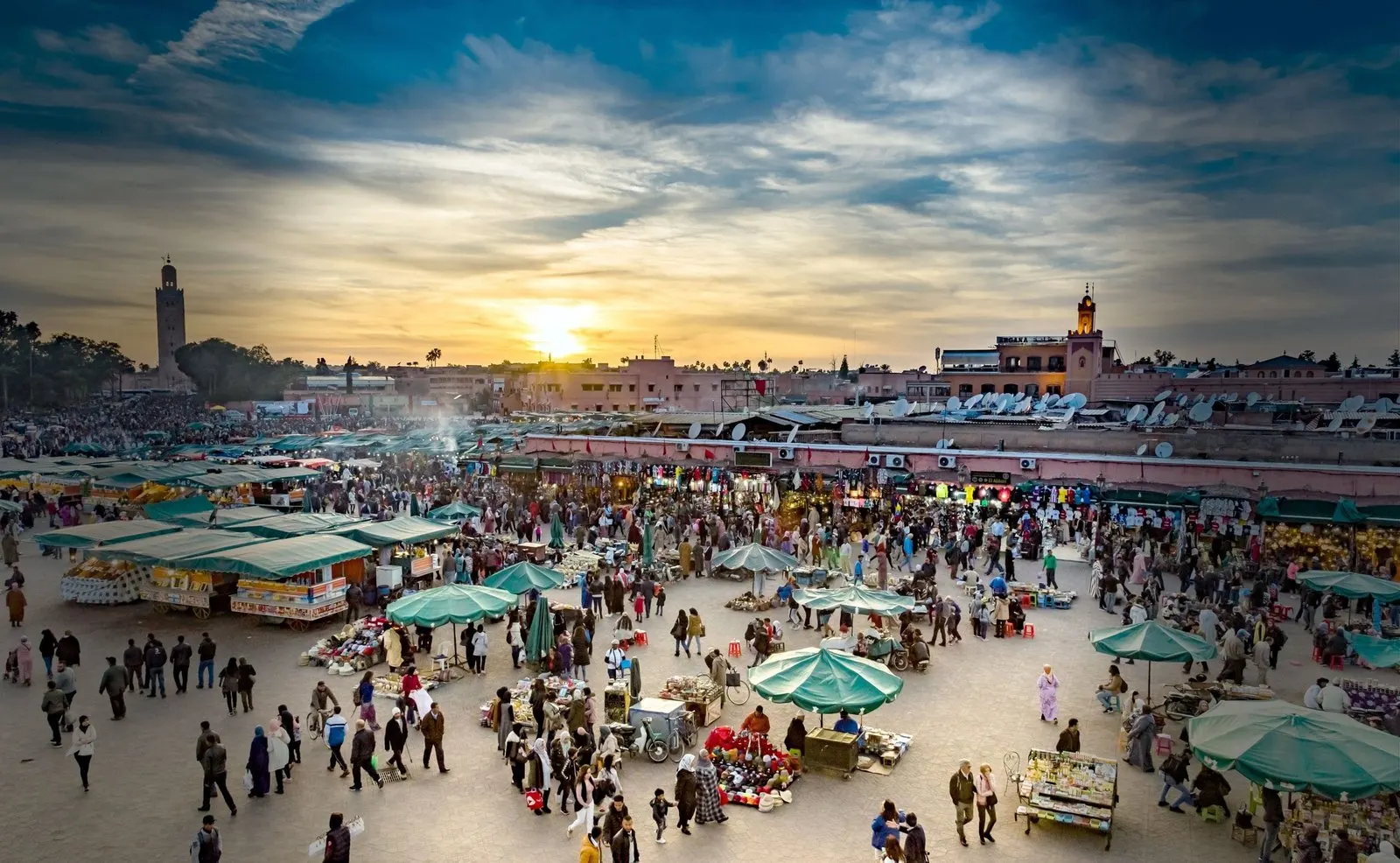
- Henna and animal photos. In Jemaa el-Fna, henna may be started on your hand before you agree, and a monkey or snake may be placed on your shoulder. Both are followed by a demand for money. Keep your hands to yourself and step away.
- The meal with no prices. Extra dishes arrive and the bill is higher than expected. Ask for a menu with prices and send back anything you did not order.
- Taxi fares. City taxis have meters, but drivers at stations and airports often prefer a fixed price. Agree it before you get in.
A polite, firm "no, thank you" ("la, shukran") repeated once is usually enough. Losing your temper rarely helps.
Is Morocco safe for women travellers?
Many women travel in Morocco, alone and in groups, but unwanted attention is common and you should expect some. The UK advice says "Women may receive unwanted attention in Morocco, especially when travelling alone." In practice this is mostly comments, staring and persistent attempts at conversation in medinas and on busy streets. Physical harassment is less common but does occur.
- Ignore, do not engage. Not replying and not making eye contact ends most approaches. A reply of any kind is often taken as an opening.
- Dress with the setting in mind. Covering shoulders and knees reduces attention in medinas and small towns. It does not stop it. See what to wear in Morocco.
- Plan your evenings. Medina lanes empty and darken after the shops close. Take a taxi to the nearest gate or ask your riad to send someone to walk you in.
- Choose accommodation with staff on site. A riad with a 24-hour door is easier than a self-catering flat.
- Make a scene if you need to. If someone will not leave you alone, speak loudly and walk into a shop, café or hotel. Bystanders often step in.
Is Morocco safe for solo travellers?
Solo travel in Morocco is common and workable, with the same cautions as above applied a little more strictly. A person alone draws more approaches from touts, has nobody to watch a bag, and has less margin if something goes wrong on a remote road.
Share your route with someone at home, keep a charged phone with a local SIM or roaming, and avoid arriving in a new city after dark. A private tour is one way to remove the transport and navigation risks, though a solo traveller pays towards the top of our price range because the vehicle is not shared. See private vs group tours for the trade-off.
How safe are the roads and the desert?
Road travel is the most serious everyday risk in Morocco. The UK advice states that "Road accidents are a frequent occurrence in Morocco". Overtaking on bends, unlit vehicles and animals on the road are all common. The same advice says poor lighting makes driving at night dangerous, and that mountain roads can be especially hazardous in bad weather. The Tizi n'Tichka pass is a winding road of that kind.
- If you self-drive, do not drive after dark, keep to speed limits, which are enforced by police checks, and allow far more time than a map suggests.
- If you take a tour, ask how many hours are driven each day and whether any driving is at night. The daily distances for our routes are on each tour page, so you can judge the long days before you enquire.
- Wear a seatbelt in every seat, including in taxis where one is fitted.
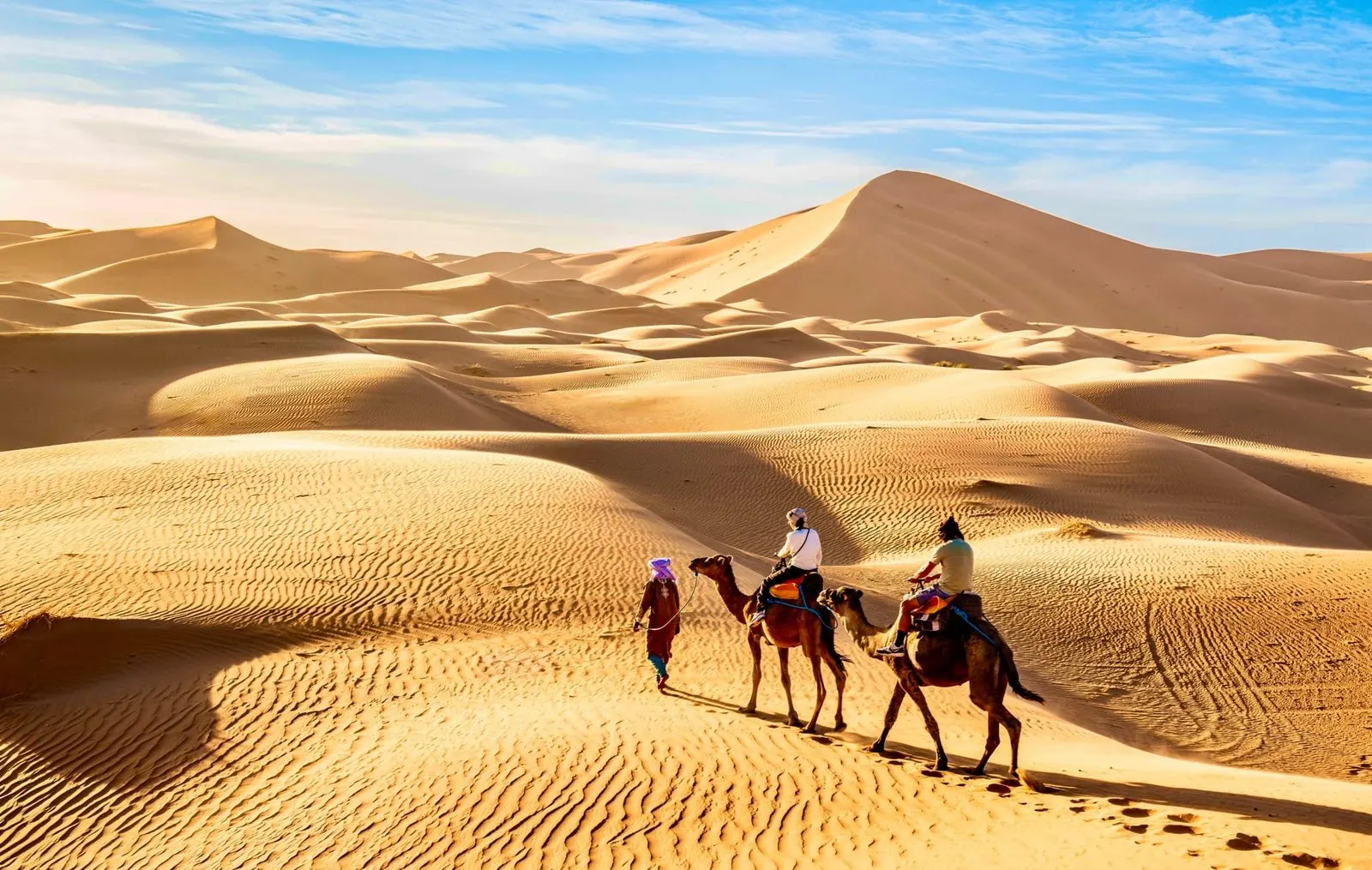
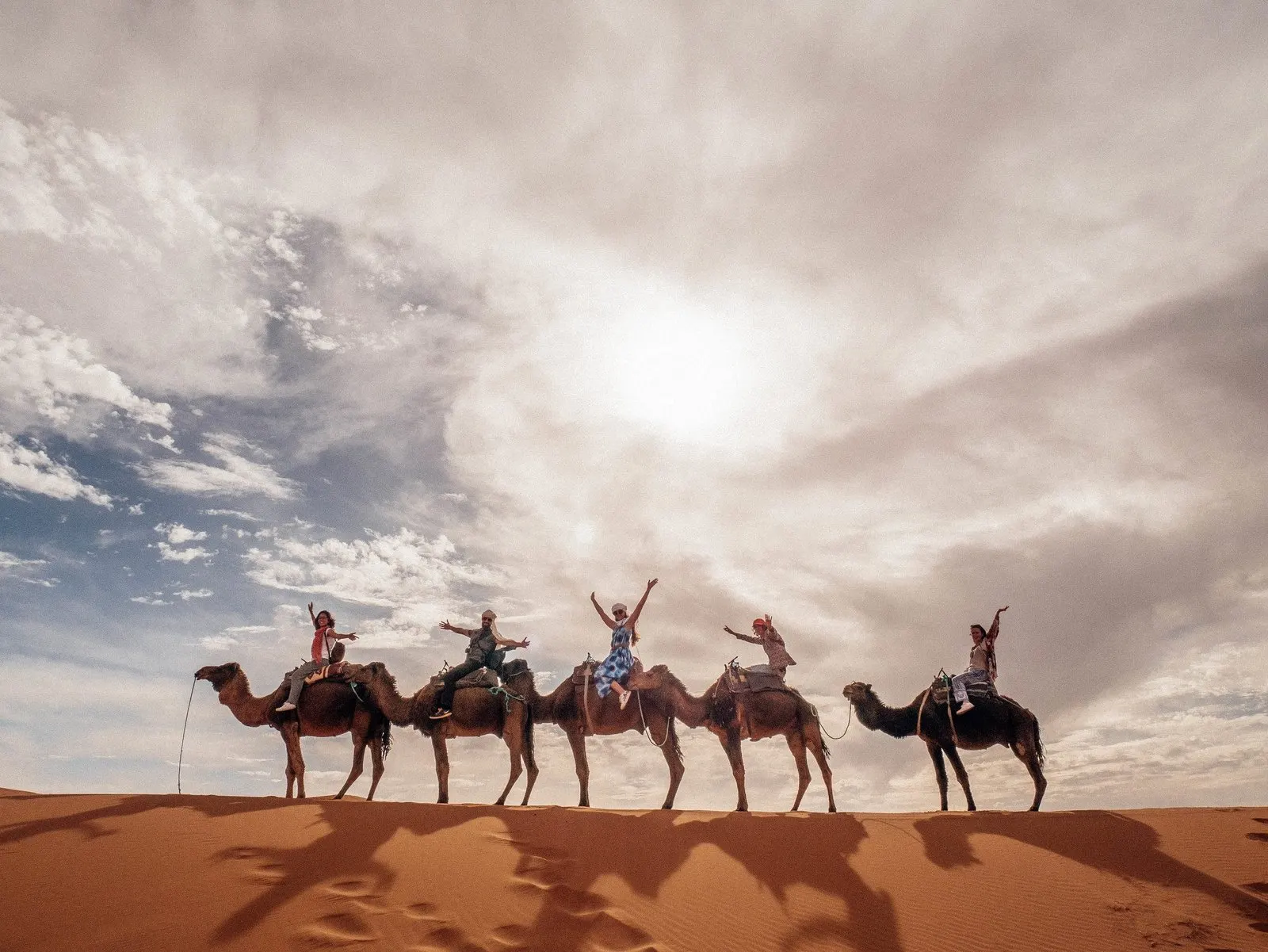
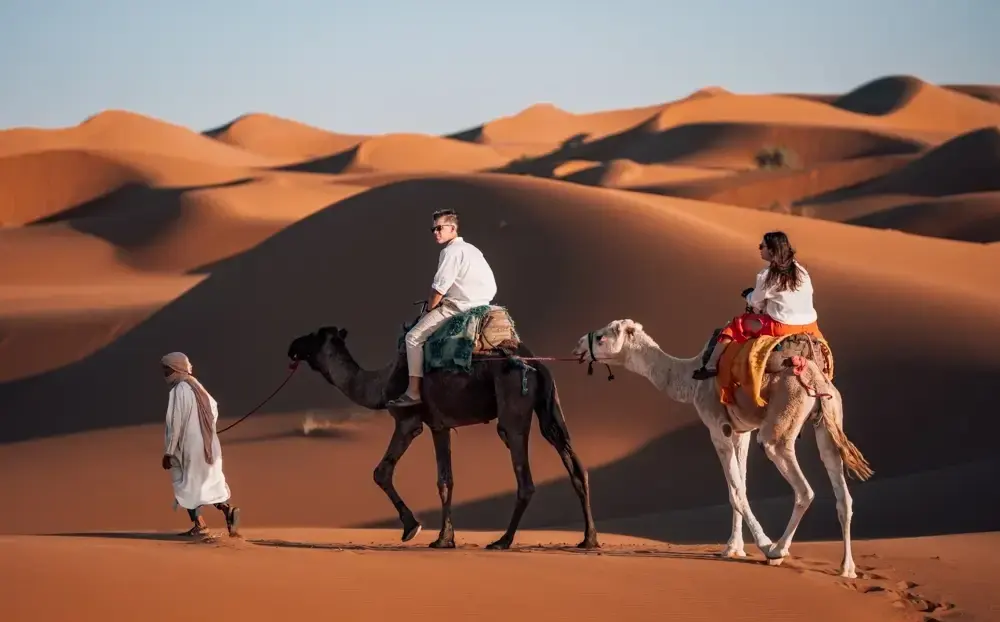
The Erg Chebbi dunes near Merzouga are far from any border trouble and are visited by large numbers of travellers each year. The risks there are heat, sun and dehydration, and injuries from quad bikes. Go into the dunes with a camp or guide, not alone, carry water, and check that your insurance covers quad biking before you try it. The UK page also advises anyone hiking in the Atlas Mountains to research trails and the experience needed. Our desert tours page explains how the camp and camel trek are organised.
Which emergency numbers should you save?
| Service | Number | Notes |
|---|---|---|
| Police (cities) | 19 | 190 from a mobile phone |
| Gendarmerie Royale (outside cities) | 177 | Covers rural areas and main roads |
| Ambulance and fire | 15 | Private clinics in the big cities also run their own ambulances |
Operators may not speak English. Your riad, hotel or driver can call for you. Save your embassy's number as well.
What practical steps make a trip safer?
- Read your government's current advice for Morocco and register your trip if that service exists.
- Buy travel insurance that covers medical evacuation and any activities you plan, such as quad bikes or trekking.
- Carry a copy of your passport and leave the original locked at your accommodation unless you need it.
- Split cash and cards between two places. Use ATMs attached to banks, in daylight.
- Download offline maps so you can walk with purpose in a medina without asking for directions.
- Agree prices before taxis, guides, henna and photos.
- Arrange guides and drivers through your accommodation or operator, not in the street.
- Avoid demonstrations and large political gatherings.
- Do not travel on mountain roads after dark.
Questions people ask
Is Morocco safe to visit right now?
As of 6 October 2026 the US rates Morocco Level 2, Exercise Increased Caution, and the UK does not advise against travel to the main tourist regions. Check your own government's page before travelling, because advice can change quickly.
Is Marrakech safe at night?
Jemaa el-Fna and the main streets are busy and well policed in the evening. The small medina lanes are dark and quiet after the shops close, so take a taxi to the nearest gate or ask your riad to meet you.
Is Morocco safe for American tourists?
The US State Department advises Americans to exercise increased caution in Morocco because of terrorism, the second of four levels. It does not advise against travel.
Is the tap water safe to drink in Morocco?
Tap water in the cities is treated, but most visitors drink bottled or filtered water to avoid stomach upsets. Use bottled water in rural areas and the desert.
Is it safe to visit the Sahara desert in Morocco?
The dunes at Merzouga are a long-established tourist area. The main hazards are heat, dehydration and quad bike accidents, so go with a camp or guide, carry water and check your insurance.
Are official guides easy to recognise?
Official guides carry a badge, and the UK government advises checking for it. The simplest approach is to book a guide through your riad or tour operator and ignore offers made in the street.
Is alcohol legal in Morocco?
Alcohol is sold in licensed hotels, restaurants, bars and some supermarkets. Drinking in the street or in public places is not permitted.
Sources
- US Department of State: Morocco Travel Advisory, Level 2, issued 21 April 2025 (checked 6 October 2026)
- UK Foreign, Commonwealth & Development Office: Morocco, safety and security, updated 19 August 2026 (checked 6 October 2026)
- UK Foreign, Commonwealth & Development Office: Morocco travel advice summary